
Non-Surgical Spinal Decompression Therapy
Relieving Pressure. Restoring Comfort. Supporting Better Movement.
A Gentle, Non-Invasive Approach to Disc-Related Pain and Spinal Discomfort.
Your spine does more than support your body. It protects the nerves that communicate between your brain and the rest of your body, while allowing you to bend, twist, stand, and move.
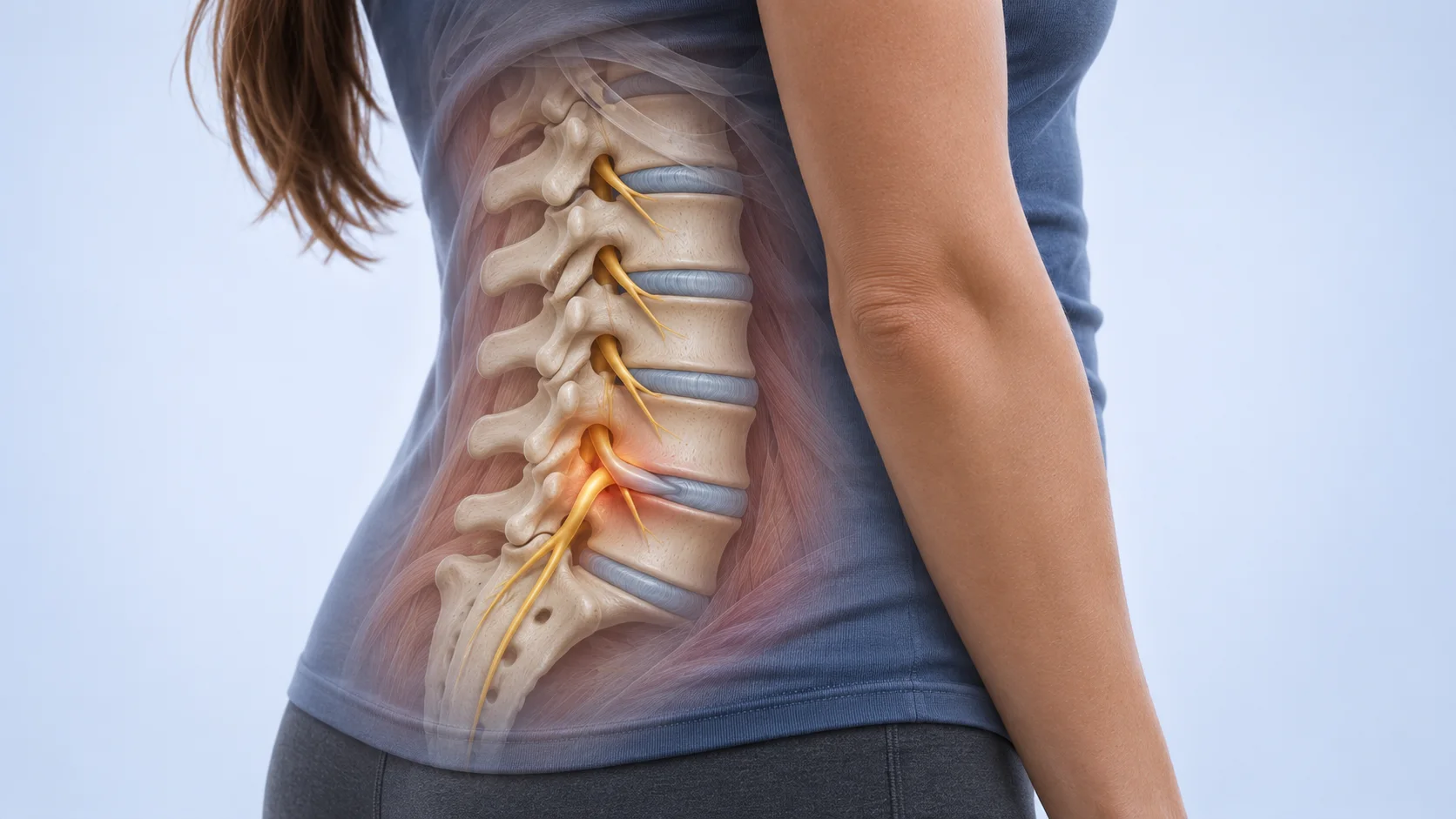
When spinal discs become damaged, bulge, or herniate, they can sometimes irritate nearby nerves, contributing to persistent discomfort, numbness, tingling, or radiating pain.
At Indy Spine and Balance, we offer non-surgical spinal decompression as a potential treatment option for carefully selected patients experiencing disc-related and nerve-associated symptoms.
Our focus is on understanding the underlying contributors to your discomfort and determining whether decompression belongs in your individualized care plan.
What Is Spinal Decompression Therapy?
Spinal decompression is a non-surgical treatment that uses controlled, gentle traction to apply a stretching force along the spine.
The goal is to temporarily reduce mechanical loading on spinal structures, including the discs and joints between the vertebrae.
For certain patients, this approach may help reduce discomfort associated with disc-related conditions or irritated nerve structures.
Rather than using sudden movements or forceful adjustments, decompression applies a carefully controlled pulling force designed around patient comfort and tolerance.
Understanding Your Spinal Discs
Small Structures. An Important Job.
Between most of the vertebrae in your spine are intervertebral discs that help absorb forces, distribute weight, and allow movement.
Each disc has a softer inner center surrounded by a tougher outer layer.
Over time, injuries, repetitive stress, and age-related changes can affect these structures.
- Bulging Discs: A disc extends beyond its usual boundaries and may contribute to discomfort or nerve irritation.
- Herniated Discs: Part of the disc's inner material pushes through a weakened or torn outer layer, sometimes affecting nearby nerves.
- Disc Degeneration: Age-related changes can influence disc height, flexibility, and how forces move through the spine.
- Nerve Irritation: Changes involving discs or surrounding spinal structures can contribute to pain, tingling, numbness, or weakness along a nerve pathway.
Not every disc abnormality causes pain. That is why understanding your symptoms, examination findings, and overall spinal health is essential before choosing a treatment.
The Potential Benefits of Spinal Decompression
For appropriately selected patients, decompression therapy may offer:
- Reduced Spinal Loading: Gentle traction temporarily changes the mechanical forces acting on the spine.
- Disc-Related Symptom Relief: Some patients may experience reduced discomfort associated with certain disc conditions.
- Relief from Radiating Pain: Selected patients with nerve-related symptoms may experience improvement in pain traveling into the arms or legs.
- Improved Movement & Comfort: Reduced discomfort may make everyday activities easier.
- A Non-Surgical Treatment Option: Decompression does not require incisions, injections, or anesthesia.
- Personalized Care: Treatment can be adjusted based on individual needs, comfort, and response.
Clinical research on non-surgical decompression has produced mixed results, and meaningful relief is not guaranteed. It is best considered as a selective option rather than a universal treatment for back pain.
When Pressure or Irritation Affects a Nerve
Sometimes the Pain Travels Far Beyond Your Spine.
A problem involving the spine doesn't always cause pain in the back or neck alone.
When spinal nerve roots are irritated, symptoms can sometimes extend into other areas of the body.
You might experience:
- Pain traveling from the lower back into the buttock or leg
- Tingling or numbness in the leg or foot
- Burning, shooting, or electric-like discomfort
- Neck pain accompanied by symptoms traveling into the shoulder or arm
- Discomfort that changes with certain positions or movements
These symptoms can have several possible causes. A thorough evaluation helps determine whether they are related to spinal structures and which treatment options are appropriate.
What Conditions May Be Considered for Decompression?
Depending on your medical history, examination findings, and specific condition, the doctor may discuss decompression in connection with:
- Bulging or herniated spinal discs
- Certain disc-related lower back complaints
- Sciatica and radiating leg pain
- Selected cases of nerve root irritation or radiculopathy
- Some spine-related pain and mobility limitations
Certain conditions, including spinal stenosis, instability, severe osteoporosis, or other structural problems, require particular caution and may make decompression inappropriate.
What Happens During a Decompression Session?
During a typical mechanical decompression treatment, you are positioned comfortably while controlled traction is applied to the targeted area of your spine.
The force is introduced gradually and may alternate between gentle pulling and relaxation phases.
Treatment settings and duration depend on the equipment, area being addressed, your condition, and your tolerance.
Some patients experience a stretching sensation, while others feel relatively little during treatment.
Your response is monitored, and treatment should be modified or stopped if it causes concerning symptoms.
Why Choose Decompression Therapy at Indy Spine and Balance?
Because Treating the Spine Requires Looking at the Bigger Picture.
The doctor understands that spinal discomfort can involve more than one structure or contributing factor.
Disc changes, movement limitations, muscle tension, posture, injuries, and nervous system symptoms may all play a role in how you feel and function.
Rather than assuming every patient needs the same treatment, we begin by evaluating your history, symptoms, and examination findings.
When appropriate, decompression may be incorporated into an individualized care plan alongside other services, such as:
- Chiropractic and upper cervical care
- Class 2 & Class 4 laser therapy
- Shockwave therapy
- Movement and rehabilitation therapies
Our goal is to help you better understand your condition, explore appropriate non-surgical options, and work toward improved comfort and mobility.
Is Spinal Decompression Right for Everyone?
No. Decompression is not appropriate for every spinal condition or every patient.
Certain medical conditions, fractures, spinal instability, and significant neurological concerns may require another approach or medical referral.
Research has not established decompression as a reliably effective routine treatment for chronic nonspecific low back pain.
At Indy Spine and Balance, determining whether a treatment is appropriate is just as important as providing it.
Ready to Explore Your Options?
Your symptoms deserve more than a one-size-fits-all approach.
If persistent back pain, disc-related discomfort, or radiating symptoms are interfering with your daily activities, schedule an evaluation to better understand your options.
Indy Spine and Balance — Looking Beyond Symptoms. Getting to the Root Cause.