
Advanced Upper Cervical Expertise. Comprehensive Evaluation. Individualized Care.
Not all neck problems are straightforward.
For some people, discomfort goes far beyond occasional stiffness or soreness. Persistent headaches, restricted movement, recurring muscle tension, dizziness, or symptoms following an injury can make everyday life increasingly frustrating.
And when previous treatments haven't provided the answers or improvement you hoped for, it's easy to feel like you've run out of options.
At Indy Spine and Balance, the doctor takes a more comprehensive approach to complex cervical conditions, looking beyond the immediate symptoms to better understand how the structures of your neck, surrounding muscles, posture, and movement patterns may be contributing to your concerns.
Because understanding the problem is the first step toward developing the right plan.
What Makes a Neck Condition Complex?
Your Neck Is More Than a Collection of Bones.
The cervical spine is an intricate system of vertebrae, discs, joints, muscles, ligaments, and nerves working together to support your head and allow movement.
The upper cervical region, particularly the atlas (C1) and axis (C2), plays an important role in head movement and sits close to critical neurological structures.
When an injury, degenerative change, movement restriction, or other condition affects this region, symptoms may involve more than one structure.
A complex neck problem may include:
- Upper Cervical Joint Dysfunction: Restricted or painful movement involving the uppermost vertebrae.
- Muscle Imbalances & Chronic Tension: Overworked or guarded muscles that contribute to stiffness, discomfort, and altered movement.
- Disc & Joint Changes: Bulging or herniated discs, arthritis, or degenerative changes that may affect movement or irritate nearby nerves.
- Whiplash & Previous Injuries: Lingering symptoms following automobile accidents, falls, sports injuries, or other trauma.
- Postural & Movement Compensations: Changes in the way you position and move your head, neck, shoulders, and upper body.
- Nerve-Related Symptoms: Tingling, numbness, or radiating discomfort that may be associated with cervical nerve irritation.
- Headache & Balance Concerns: Symptoms that warrant evaluation to determine whether cervical factors may be involved or another cause needs investigation.
The challenge is determining which factors are relevant to your particular condition.
The Upper Cervical Connection
Two Small Vertebrae. An Important Role in Movement and Stability.
At the very top of your spine sit the atlas (C1) and axis (C2).
These vertebrae help support your head and provide a substantial portion of your neck's rotational movement. They also surround and protect the upper spinal cord.
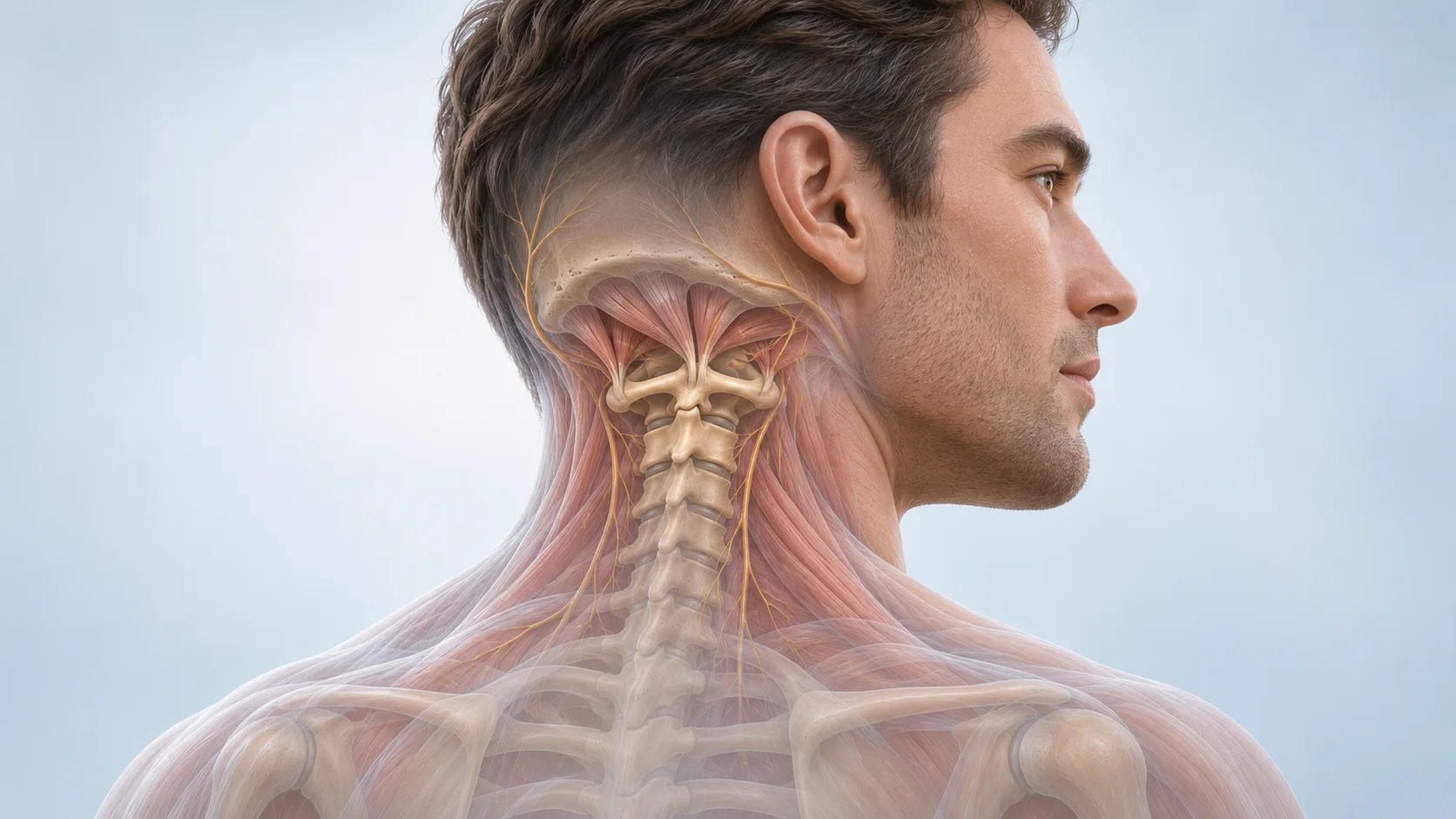
Because of their location and specialized anatomy, careful evaluation of the upper cervical region can be particularly valuable in patients with persistent neck pain, movement restrictions, or certain neck-related headaches.
The doctor has specialized training in upper cervical chiropractic care, allowing them to assess this region with particular attention to precision, biomechanics, and patient comfort.
The goal isn't simply to focus on where you hurt. It's to better understand why you may be hurting.
When Neck Problems Affect More Than Your Neck
The Symptoms Don't Always Stay in One Place.
Cervical spine concerns can sometimes be associated with symptoms in other parts of the body.
Patients seeking a complex neck evaluation may report:
- Persistent or recurring neck and shoulder pain
- Frequent tension-type or neck-related headaches
- Difficulty turning or tilting the head
- Chronic muscle tightness or spasms
- Pain extending into the shoulder, arm, or upper back
- Tingling or numbness in the hands or arms
- Stiffness following an automobile accident
- Postural discomfort during work or daily activities
- Dizziness or unsteadiness accompanying neck discomfort
These symptoms can have many different causes. Dizziness, neurological symptoms, and severe or unusual headaches in particular require careful assessment rather than an assumption that the neck is responsible.
Specialized Care for Whiplash & Previous Neck Injuries
The Effects of an Injury Can Extend Beyond the Initial Pain.
A sudden acceleration or deceleration of the head, such as during an automobile collision, can place significant stress on the muscles, ligaments, joints, and other structures of the cervical spine.
Some individuals recover relatively quickly, while others experience persistent discomfort, headaches, stiffness, or difficulty returning to normal activities.
The doctor has completed specialized training in Whiplash and Brain Traumatology through the Spine Research Institute of San Diego, adding an important dimension to their evaluation of injury-related neck concerns.
Their approach considers the injury mechanism, symptom history, examination findings, and potential need for additional testing or referral.
Rather than treating every neck injury the same way, care recommendations are based on the individual's presentation and recovery needs.
Our Approach to Complex Neck Treatment
Precision, Experience & Advanced Technology Working Together.
At Indy Spine and Balance, complex neck treatment is not a single adjustment or a standardized procedure.
It's a carefully considered approach that may involve several aspects of evaluation and care.
1. Comprehensive Cervical Evaluation
Your visit begins with a detailed discussion of your symptoms, previous injuries, treatment history, and functional limitations.
The doctor evaluates relevant cervical movement, posture, musculoskeletal findings, and neurological signs to help determine which structures or factors may require attention.
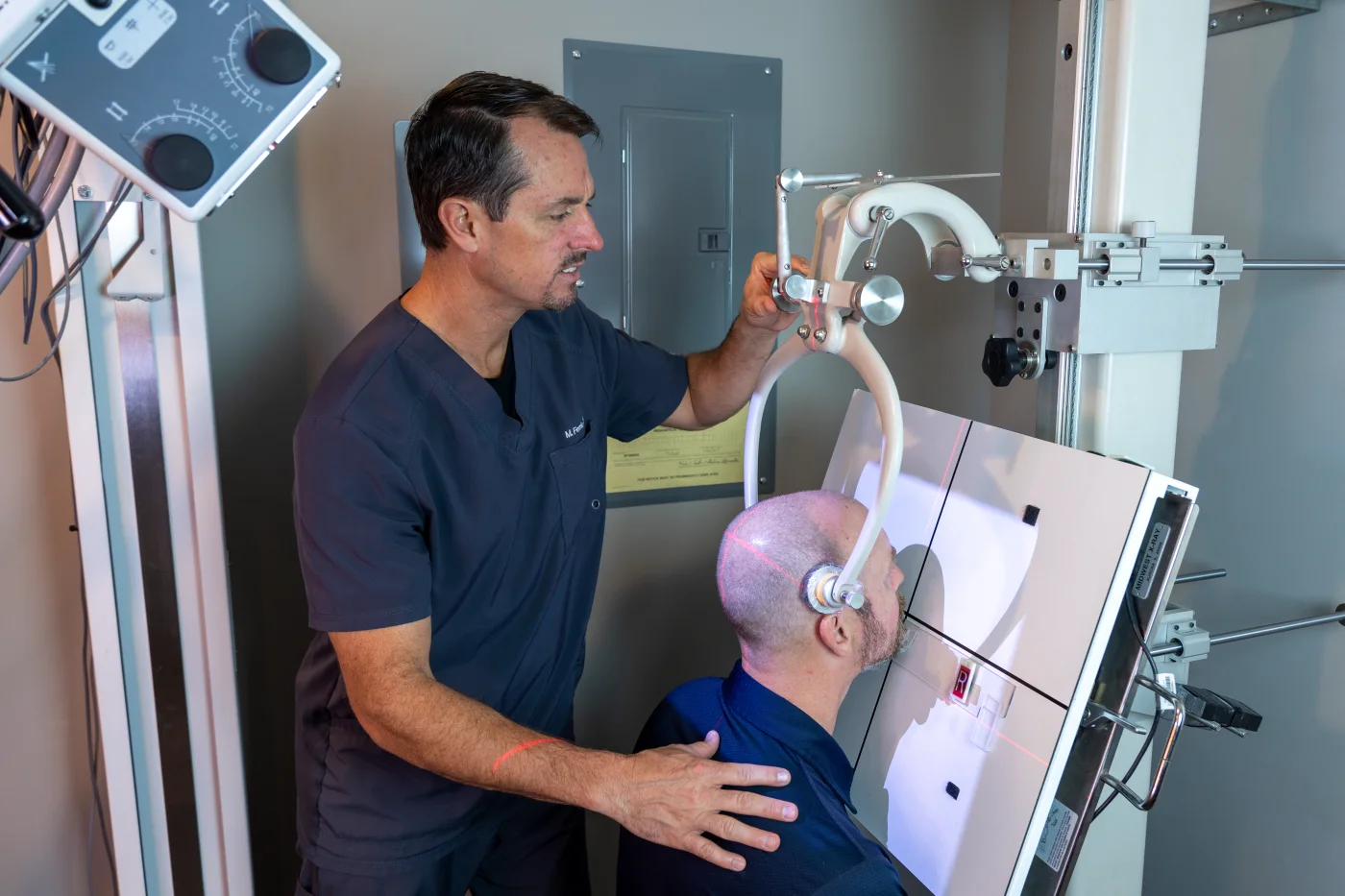
2. Specialized Upper Cervical Assessment
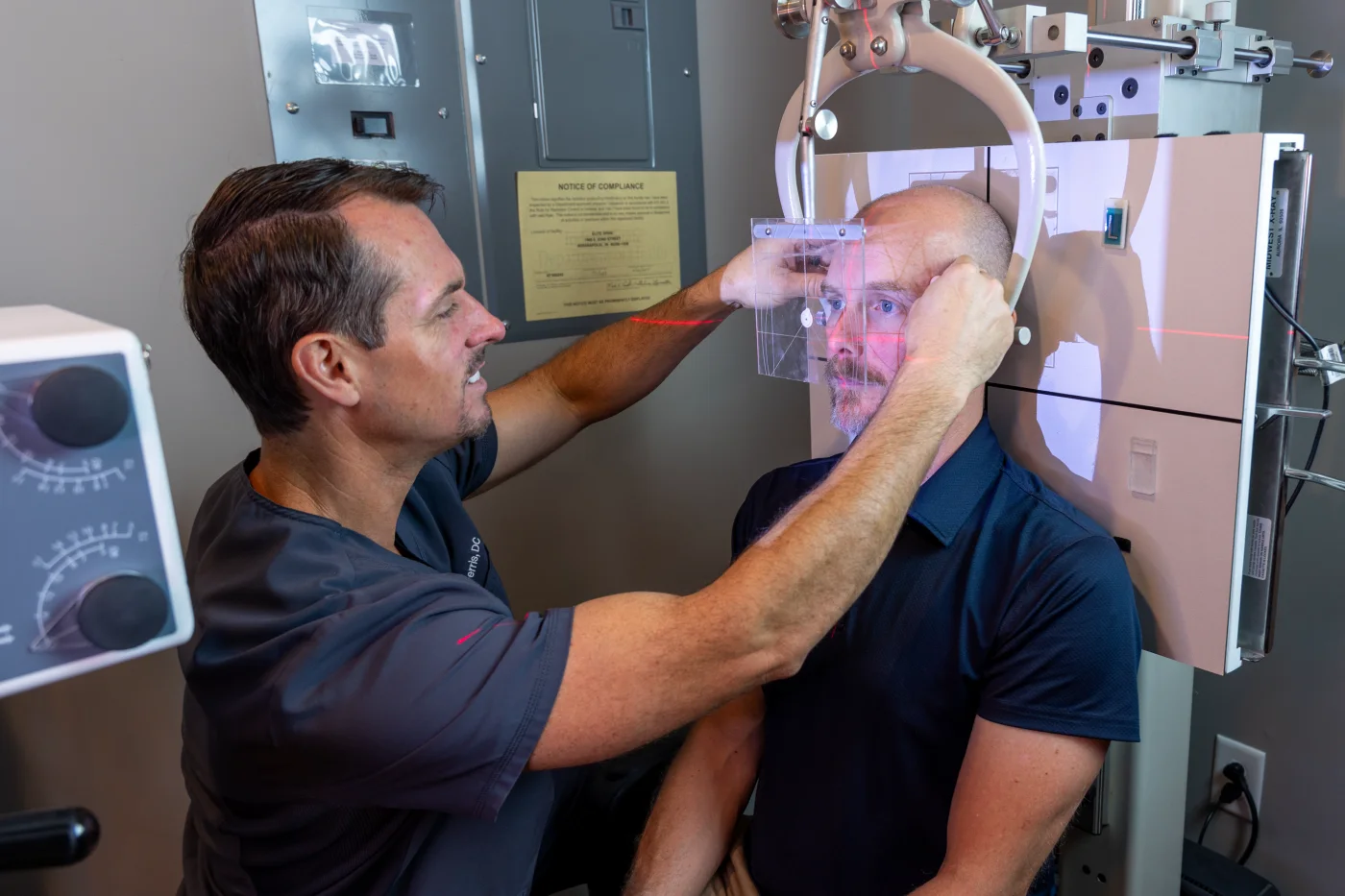
When appropriate, particular attention is given to the atlas and axis, upper cervical movement, and findings that may influence treatment decisions.
Specialized upper cervical techniques, including NUCCA-based care, may be considered depending on the examination findings.
3. Gentle, Precision-Focused Chiropractic Care
Not every neck condition calls for the same adjustment technique.
The doctor considers the condition, examination findings, and patient comfort when determining whether gentle upper cervical care, instrument-assisted adjusting, or another chiropractic approach may be appropriate.
4. Advanced Supportive Therapies
For patients with contributing muscle, joint, or soft-tissue concerns, additional treatments may be considered, including:
- Class 2 & Class 4 Laser Therapy
- Dry Needling
- Shockwave Therapy
- Spinal Decompression, when appropriate
- Targeted movement and rehabilitation therapies
These services may be used to address selected components of a patient's condition, rather than assuming one treatment can resolve every contributing factor.
5. Movement, Stability & Long-Term Function
Reducing discomfort is important, but understanding how your neck moves and functions matters too.
When appropriate, care may include movement guidance, rehabilitation, and strategies to help patients manage symptoms and support daily function.
6. Coordinated Care When Needed
Some complex neck conditions require additional imaging, medical testing, specialist evaluation, or another form of treatment.
Recognizing when a referral is necessary is an essential part of providing responsible, individualized care.
Why Choose Indy Spine and Balance for Complex Neck Concerns?
Experience Matters. Precision Matters. The Bigger Picture Matters.
The doctor has been serving the northeast Indianapolis community since 2004, combining years of clinical experience with specialized training and advanced therapeutic technologies.
Their professional training includes:
- Certified Upper Cervical Specialist
- Certified Whiplash and Brain Traumatology
- Certified ProAdjuster Doctor
- Certification in Spinal Decompression
- Certification in Dry Needling
Rather than relying exclusively on one technique, the doctor evaluates each patient's presentation and discusses the approaches that may be appropriate.
The focus is not simply on providing another neck adjustment. It's on understanding the condition, addressing relevant contributing factors, and supporting better movement and function.
Frequently Asked Questions
What if I've already tried chiropractic care or other treatments?
Persistent symptoms deserve a thoughtful reassessment. Previous treatment records, imaging, and your response to earlier care can provide useful information when exploring whether a different approach or additional evaluation is appropriate.
Is complex neck treatment the same as upper cervical care?
Not exactly. Upper cervical care focuses specifically on the uppermost region of the neck. Complex neck treatment takes a broader approach, considering cervical joints, muscles, discs, nerves, injury history, movement, and other possible contributors.
Upper cervical care may be one component of that approach.
Will I need my neck cracked or twisted?
Not necessarily. Different conditions may call for different techniques, including gentle or instrument-assisted approaches. The doctor discusses the recommended treatment, alternatives, and your comfort preferences before proceeding.
Can neck problems contribute to headaches or dizziness?
Certain cervical conditions can contribute to some types of headaches, and neck-related factors are sometimes considered in dizziness evaluations. However, these symptoms can also have neurological, vestibular, vascular, or other causes. An appropriate assessment is necessary to determine the next step.
Ready to Find a Different Approach?
When the Problem Is Complex, the Evaluation Should Be Comprehensive.
If persistent neck pain, previous injuries, recurring headaches, or movement limitations are affecting your quality of life, you deserve an evaluation that looks beyond the obvious.
At Indy Spine and Balance, we take the time to understand your concerns, explain your options, and develop an individualized plan when care is appropriate.
Indy Spine and Balance — Looking Beyond Symptoms. Getting to the Root Cause.